


85% of Respondents Say They Would Not Pay Ransom
Posted by: Timothy Weaver on 04/30/16 06:36 am
[
 Comments
]
Comments
]
Eset conducted a survey of users across the US and Canada and found that 85% say they would not pay a ransom if infected.
However, almost a third (30%) said that they didn’t know what ransomware was. A quarter (25%) of those 65+ didn’t know what ransomware is.
ESET senior security researcher Stephen Cobb said: "Despite the attacks we have seen, and the widespread reporting on ransomware in the news in recent months, many people still don't know what it is."
What is also disturbing is that a third of the respondents said they did not make backups.
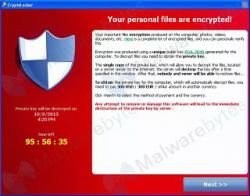
“Criminals use this nasty breed of software to reach out over your internet connection and kidnap the contents of your computer, literally holding them for ransom,” Cobb said. “Ransomware silently encrypts all of your personal files, making them unreadable, and then demands that you send money to the criminal in order to restore them….Family photos and videos. Tax returns and other financial records. Business documents. Think about everything that you keep on your computer. What would happen if it all was stolen from you?”
"We do believe that the first step in protecting against cyberthreats like ransomware is awareness and education," said Cobb. "The more people know about the types of threats that exist, the better they will be at taking necessary steps to defend themselves and their companies."
Source: InfoSecurity
However, almost a third (30%) said that they didn’t know what ransomware was. A quarter (25%) of those 65+ didn’t know what ransomware is.
ESET senior security researcher Stephen Cobb said: "Despite the attacks we have seen, and the widespread reporting on ransomware in the news in recent months, many people still don't know what it is."
What is also disturbing is that a third of the respondents said they did not make backups.
“Criminals use this nasty breed of software to reach out over your internet connection and kidnap the contents of your computer, literally holding them for ransom,” Cobb said. “Ransomware silently encrypts all of your personal files, making them unreadable, and then demands that you send money to the criminal in order to restore them….Family photos and videos. Tax returns and other financial records. Business documents. Think about everything that you keep on your computer. What would happen if it all was stolen from you?”
"We do believe that the first step in protecting against cyberthreats like ransomware is awareness and education," said Cobb. "The more people know about the types of threats that exist, the better they will be at taking necessary steps to defend themselves and their companies."
Source: InfoSecurity
Comments
